
14 Expert Tips for Booking International Cooking Classes
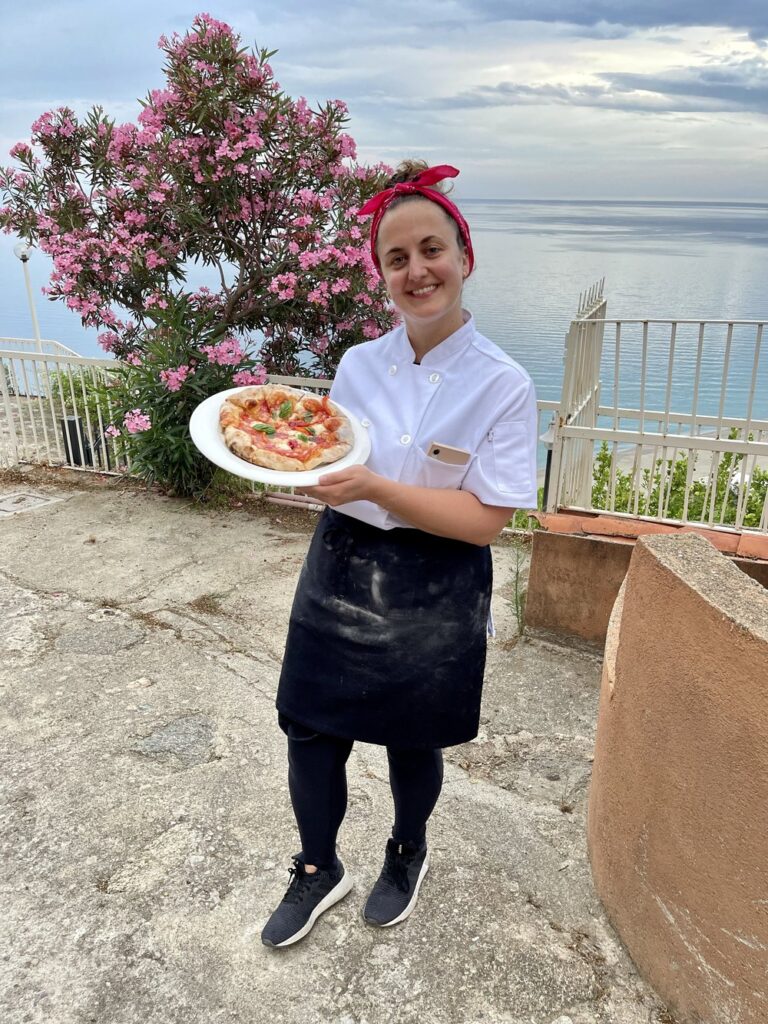

My two-week Italian cooking course in Calabria, Italy
I’ve taken cooking classes all around the globe, from Argentina to Italy, Indonesia to Scotland. From afternoon activities to six-week certificate courses. If there is one thing I love to do when traveling, it’s a cooking class (especially international cooking classes!).
Whether I’m specifically traveling to take a course or it’s simply a part of my itinerary, you will find me in a kitchen at some point during most of my trips. Since I want everyone to experience the joy of cooking while traveling, I’ve put together this list of things to look out for, questions to ask, or things to be conscious of, in advance of signing up for an international cooking class.
If you love these tips, leave a comment below or tag @accentgolden in your posts on social!
- Make Sure You’re Actually Cooking…
- Soon and often. Sadly, this isn’t a typo.. Before you book anything, reach out and confirm when you will start cooking, how often you can expect to be in the kitchen (actively), and the level at which your food is created by you (aka you’re not just rolling dough and it’s baked and finished by someone else). I’ve attended international cooking classes where it’s mostly hands-off and then others where you’re cooking on day one. Know your expectations and make sure they match the school’s.
- Note: this tip is mainly for longer courses where you are there to be in the kitchen. If you’re merely signing up for an “experience,” this tip likely doesn’t pertain to you.
- Soon and often. Sadly, this isn’t a typo.. Before you book anything, reach out and confirm when you will start cooking, how often you can expect to be in the kitchen (actively), and the level at which your food is created by you (aka you’re not just rolling dough and it’s baked and finished by someone else). I’ve attended international cooking classes where it’s mostly hands-off and then others where you’re cooking on day one. Know your expectations and make sure they match the school’s.
- Is there a Designated Space For You?
- I don’t simply mean a seat at the table. Do you have a designated table/bench? Because you should. You should have a designated worktop complete with space for you to mix, chop, and whisk to your heart’s content. Plus, a stove and oven. The base level you’re looking for here is to have intentional time at each station, even if you have to share a cooktop. You want to make sure everyone has equal access to all facets of the baking/cooking process. Ideally, you have your own bench, oven, and burner(s) in the kitchen.
- Check Your Class Sizes
- This is probably the most overlooked, but it can completely change the environment of your class(es). Personally, 10 students to a class is my maximum, preferably no more than eight. Don’t underestimate the noise, disruption, and distraction brought by too many people. You also don’t want to be fighting for visibility with the chef. It’s no good to miss a technique cause too many heads are in front of you, or not get through recipes because people are holding up the timeline. Just because these are international cooking classes doesn’t mean they should be run like a tourist attraction.
- Understand the Kitchen Atmosphere
- This is a multifaceted point. Firstly, is this a leisure course or a professional course? Leisure courses are going to be more relaxed, likely at a slower pace, and willing to adjust heavily based on the students. Professional courses should have more structure, a firmer grasp on timelines and curricula, keep students accountable for staying on track, etc. You can absolutely be a professional taking a leisure course or a professional taking a professional course. Going in with open eyes on professional versus leisure courses is important.
- The second piece of this tip speaks to the environment in which you are learning. I don’t think yelling and shaming belong in the kitchen. That’s not conducive to any type of learning I’ve achieved so far. To be clear, I’ve never been yelled at in a kitchen and I don’t plan to be (especially not in one that I’m paying to be in). That being said, it’s good to understand before signing up for an international cooking course how instruction and feedback are given.
- Know the Difference Between an Experience and Hands-On Classes
- The key here is: are you going to simply taste and learn some of the history and culture behind these dishes? Or, are you going to receive first-hand techniques, applications, and take away a skill, however large or small? Know what you’re looking for ahead of booking.
- Find Out Who Your Chefs Are (and their Substitutes)
- Don’t be taught by clowns, ok? Remember that you are paying for someone with experience to teach you something new. That doesn’t mean that every leisure course needs a professional chef tied to it. But if you’re learning a regional dish, a local who has cooked it often and knows more than just how to brown meat should be teaching it.
- This tip is essential if you are booking any level of professional international cooking classes. To clarify, if this isn’t just an afternoon in your holiday, it’s more in the realm of a professional course. You are spending the money to be taught by a professional, so understand their expertise and make sure it fits within your expectations.
- A very important add: make sure you understand who the substitutes will be if your lead chef(s) are out. Life happens, but the owner should have professionally qualified backups on the bench when it does. Again, you’re paying for a certain level of expertise – make sure you get it.
- Confirm the Curriculum
- Stick to your ticket, Harry. Sad but true. If you go in blind, you likely will miss out on what you should have covered. It’s easy for things not to be covered when there isn’t a curriculum holding them accountable. There should be a dedicated and shared curriculum on a professional course that breaks down your weekly activities and what you should be covering. This acts to hold the school accountable as well as the students. Request a clear outline of expectations ahead of booking the course.
- Know How and When Recipes are Shared
- I prefer courses where recipes are shared in advance. This way, I can take notes without having to write down every gram, cup, etc., alongside a list of ingredients. This allows you to have the ability to focus more on what the chef is doing and jot down the bonus tips and tricks they perform or speak about. That being said, I have taken international cooking classes where you are verbally told the recipes and expected to write them down. This is fine, but it makes it trickier post-course in case you can’t read a note or missed an element of the recipe.
- What are the Expectations of Students
- What time should you be dressed and in the kitchen? Is there an attendance policy? Will there be opportunities to catch up if you fall behind or miss a day? You don’t want to get into a situation where you’re going to be penalized without realizing it. You also want to know the rules so you can better understand the environment you’re walking into. Rules should exist and be enforced out of respect for all participants. If too many exceptions are made, it will hold you back, which can be especially frustrating when you’re keeping pace.
- Pro-tip: ask what tasks are expected outside of cooking. Will you be helping tend the garden? Are there daily kitchen duties expected? Do you have to handwash all of your own dishes? These will affect your time in the kitchen, so know before you book.
- What time should you be dressed and in the kitchen? Is there an attendance policy? Will there be opportunities to catch up if you fall behind or miss a day? You don’t want to get into a situation where you’re going to be penalized without realizing it. You also want to know the rules so you can better understand the environment you’re walking into. Rules should exist and be enforced out of respect for all participants. If too many exceptions are made, it will hold you back, which can be especially frustrating when you’re keeping pace.
- Check What is Provided to Participants/Students
- If it’s a leisure course, do they provide transportation from your stay to/from the activity? If it’s a professional course, do they provide a chef’s kit? Understand what you will need to provide versus what the school gives you to make sure that you are getting the most out of the course while also showing up prepared.
- Know Your Wardrobe Expectations
- Professional courses are likely to have requirements around clothing. Oftentimes, this is to set you up for a more professional atmosphere that can, if you want it to, ease you into a working environment post-course. From my experience, at minimum, it’s wearing black trousers and a chef’s jacket. A question you should be asking in advance is, is the required clothing provided, or do you need to purchase and pack it?
- Connect with Past Students Ahead of Booking
- This is where the beauty of social media comes into play. It’s gonna take some searching, and it may not always yield replies. Reviews are great, but being able to talk to someone who has taken the course and can speak to the vibe and activity day over day, week over week, is where you’re going to truly understand how class(es) will be run. People often tag the school/course through location, profile, and/or hashtags on their social posts, so put on your detective hat and get to DMing.
- Understand Location Relative to Your Needs
- A lot of this comes after finding out what the school provides students. If they cover accommodations and food, what are the things you want to do before/after class, and how will you get there? Will you need to rent a car, or is there local transportation available? If the cost just covers the class and everything else – food, transport, hotel, etc. – is on you, understand where the school is relative to where you want to stay and that there is reliable transportation to get you to and from.
- Ask About Housing Recommendations
- Unless you’ve been to the area before, use the school as a resource for the local area. Reach out to them about the best areas to stay in, recommended routes to get to/from school, and any tips or things to look out for when booking. To be honest, I wish a lot of schools provided a more robust packet for non-local students, especially if you’re staying for a length of time. At a bare minimum, neighborhood suggestions are really helpful. It’s nearly impossible to tell how long 15 miles takes until you get there, and you don’t want to have to wake up at the buttcrack of dawn to make it to class on time.
What are your favorite tips for booking cooking classes?
Leave a comment below or tag @accentgolden on social with any suggestions or tricks so we can learn together!
Food is one of the best ways to get to know a culture, so I highly recommend taking every opportunity to fully immerse yourself in the local cuisine. Local and international cooking classes are not only a great way to learn new techniques and flavors, but meet people from around the world (and even learn their approach to certain dishes). Keep your mind and taste buds open, and these will be some of your best travel memories, I guarantee it.