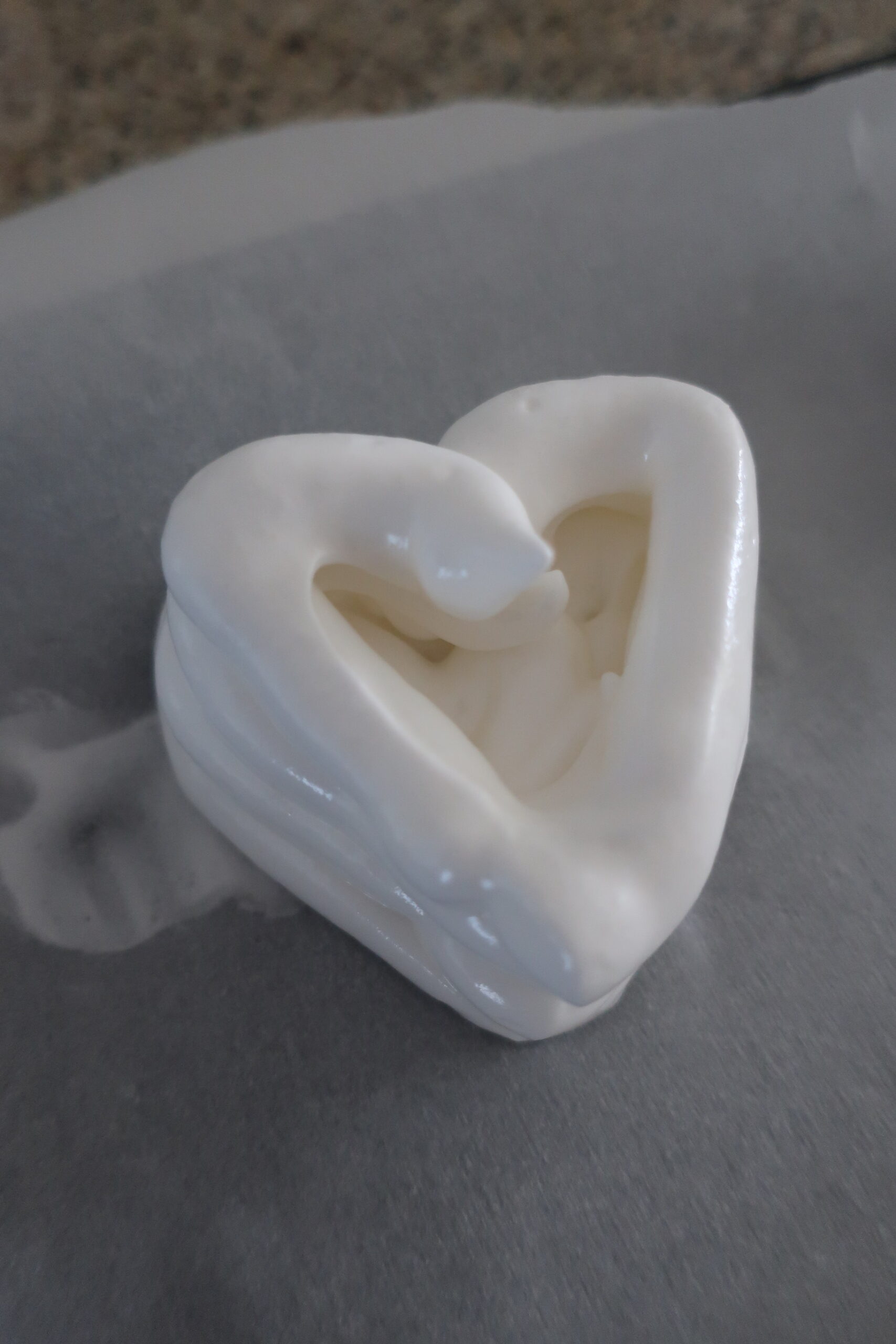
Simple French Meringue Recipe (Foolproof & Delicious)
Making meringue makes me feel both fancy AF and like a scientist. This simple French meringue recipe has only five ingredients, but the technique is what makes it a meringue. Specifically of the French variety.
Learning how to make meringue is one of the base recipes that make up many bakes. It’s easy to bring together, and can be turned into many delicious things. From pavlovas, to cakes, to cookies!
If you love this recipe, please rate and review it below and tag @accentgolden in your posts on social!
This website uses affiliate links, which may earn commission for purchases made at no additional cost to you.
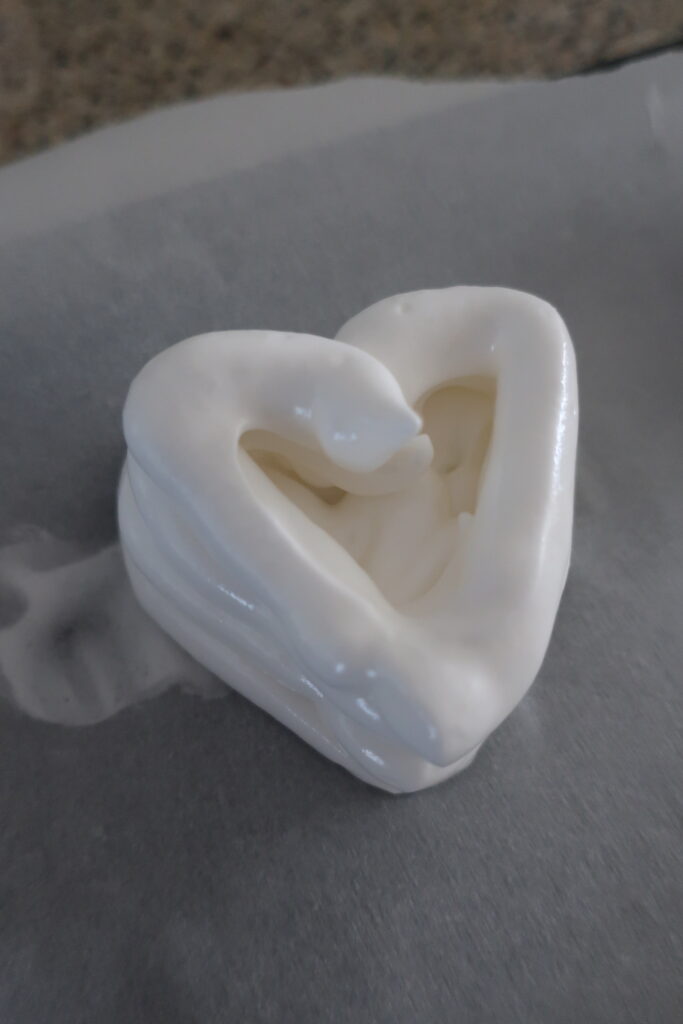
WHAT IS FRENCH MERINGUE?
There are three types of meringue: French, Swiss, and Italian. French meringue is the least stable and has the shortest shelf life. It requires you to make it and use it fairly swiftly before it starts to separate and run. Baking gives it the most structure and allows it to hold. So, be ready to use it once you make it.
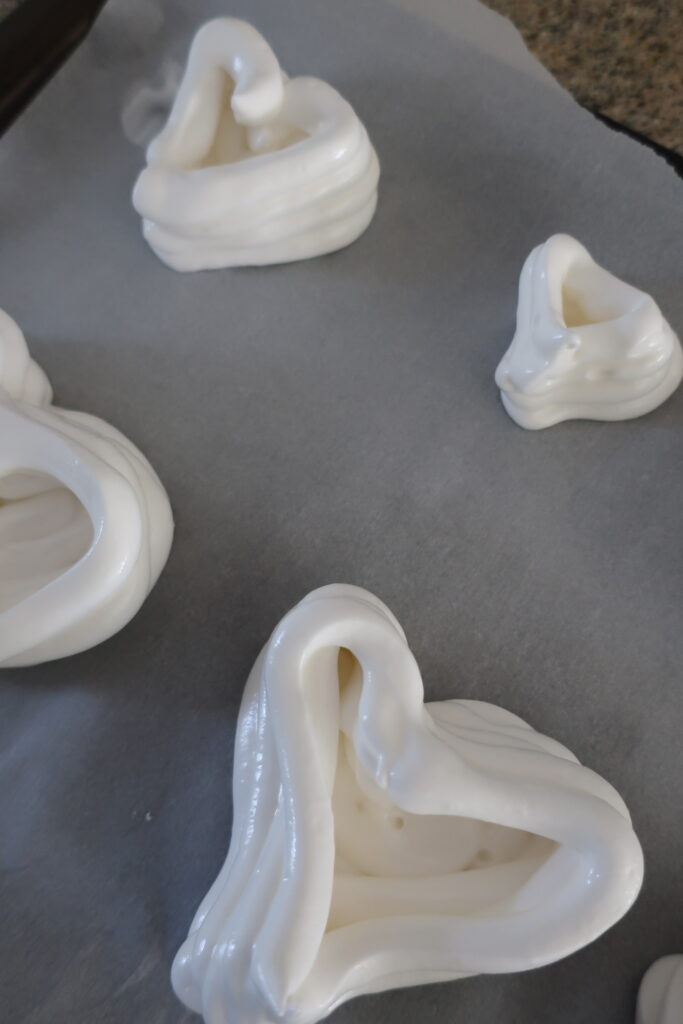
The basic formula for a simple French meringue recipe is one part egg whites to two parts sugar, with the addition of cornstarch and vinegar. Once baked, it should have a crisp exterior that you can gently peel off a sheet of parchment paper, but a chewy interior (once eaten).
When do you use French meringue over Swiss or Italian? French meringue comes together the fastest and is best for recipes that require baking, like pavlovas or cookies. Swiss and Italian meringues don’t require cooking, so they’re better for no-bake desserts, buttercreams, or topping pies.
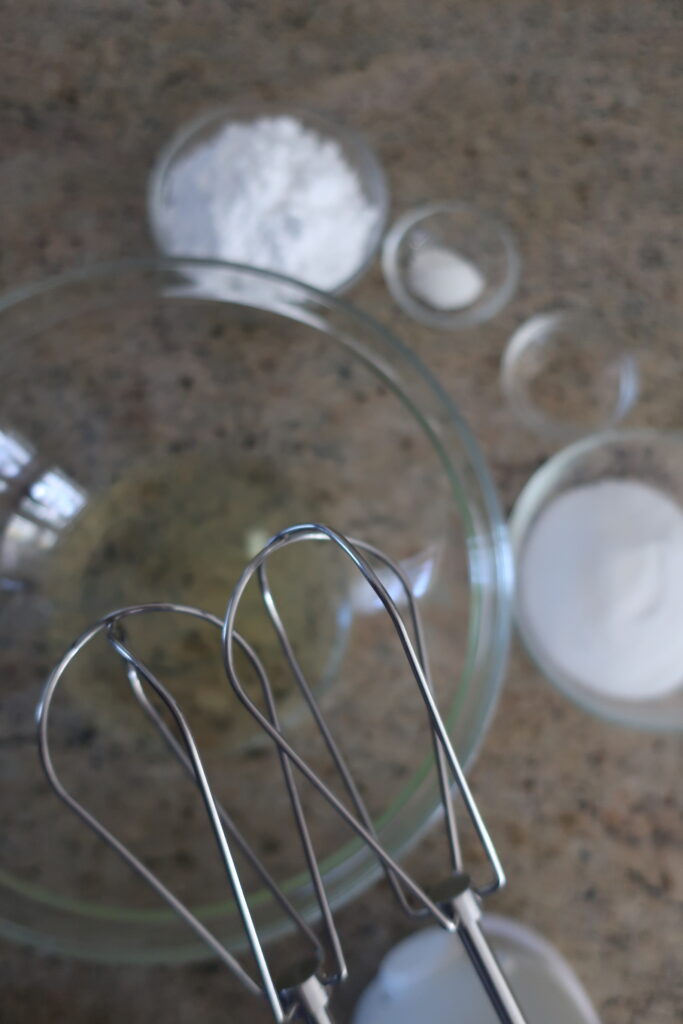
INGREDIENTS
- Egg whites: The base of the meringue; whipped to trap air and create volume.
- Cornstarch: Helps absorb moisture, leading to a crisper texture.
- White wine vinegar: Stabilizes the meringue and helps maintain structure.
- Granulated sugar: Gradually added to stabilize and sweeten the meringue.
- Powdered sugar: Adds extra sweetness and a smooth finish to the final texture.
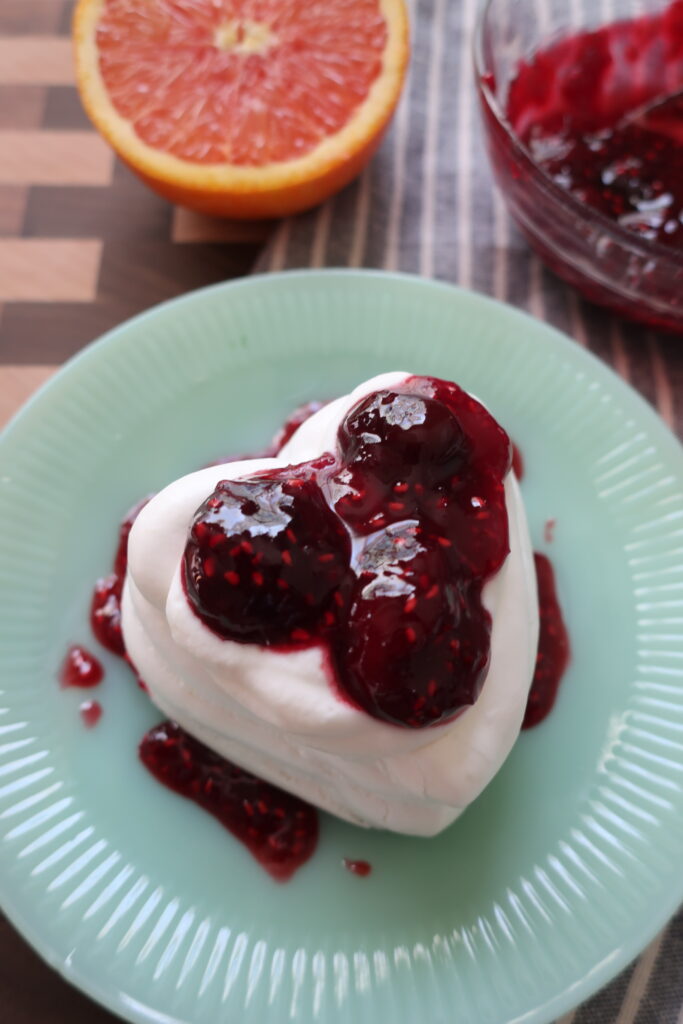
How do I know my French meringue is done baking? This will depend on what you are making. As a rule, you should be able to easily peel the meringue off the parchment paper. Additionally, if you gently press the outside, it should feel dry and crisp to the touch.
HOW TO MAKE FRENCH MERINGUE
In a clean bowl with enough space for expansion, place the egg whites. Using a mixer on low speed, beat them until they become frothy and there’s no loose liquid remaining at the bottom. Add the vinegar and cornstarch—along with any additional flavorings you’d like—and continue beating until medium-soft peaks form. At this stage, the mixture should hold some shape but still move slightly in the bowl.
Next, gradually add the granulated sugar a few spoonfuls at a time, beating well between each addition. Once all the sugar is incorporated, you should have glossy, stiff peaks. To test this, try flipping the bowl upside down—if nothing falls out, your meringue is ready.
Finally, sift in the powdered sugar and gently fold it in using a metal spoon. Mix only until just combined, being especially careful not to deflate the meringue. The goal is to preserve as much air as possible for a light, crisp result. See tip section for how to bake this simple French meringue recipe!
3 reasons you’ll love this simple French meringue
TIPS & VARIATIONS
- The bowl you’re using needs to be clean and free of any oil. Any residue can hinder your egg whites from properly whipping up. You can wet a paper towel with a splash of vinegar and wipe down your bowl to ensure it is clean.
- Be gentle as you fold in the powdered sugar. At this stage you don’t want to knock out any more air from the meringue than necessary.
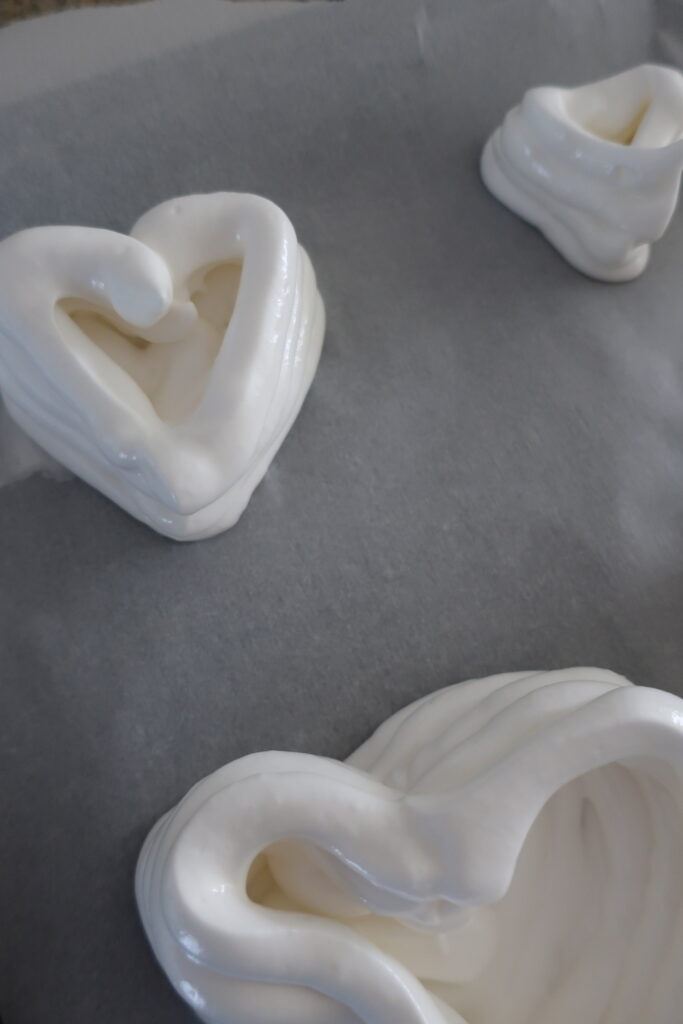
- If you want to bake your meringue, preheat your oven to 212F on the convection setting. Once made, place your French meringue into a piping bag or dollop it directly onto a parchment lined baking sheet and spread into a disc. Depending on the size and shape(s) you choose, your meringue will bake anywhere from 45 minutes to over an hour.
- To check your French meringue for doneness (if baking), open the oven and lightly press the sides. They should feel dry and almost shelled. Then try to peel the meringue off of the parchment paper. It should come off easily. If done, turn off the oven and leave your meringue on it’s tray in the oven, with the door cracked, for an hour. This will help the meringue cool gradually and ideally not crack too much.
HOW TO STORE FRENCH MERINGUE
Once whipped up, French meringue has to be baked immediately. It is not stable enough to hold for long periods of time. After it has baked, your French meringue can last in an airtight container at room temperature for two weeks. Do not store your meringue in the fridge, as the moisture will cause the meringue to lose its crispness.
MORE MERINGUE RECIPES
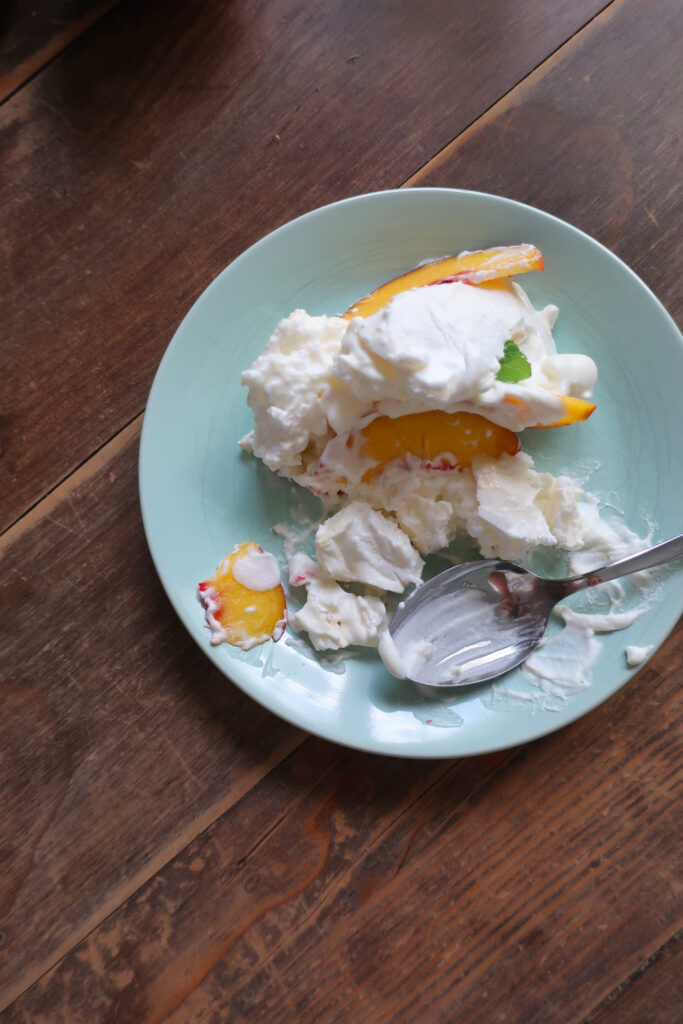
I love a pavlova, big or small. If you’re looking for individual-sized pavlovas, try my easy Berry Pavlovas. Pipe into any basket shape you desire, bake, and fill with fresh whipped cream and berry compote. For a pavlova options that scream “showstopper” try my Minty Peach Pavlova or my Pavlova Hearts Wreath. Want to give Swiss meringue a go? This S’mores Cookie Cake is one of my favorite recipes, topped with an easy marshmallow-y meringue.
EQUIPMENT YOU’LL NEED
- Mixer (hand or standing with whisk attachment)
- Mixing Bowl
- Metal Spoon
- Digital Scale
- Measuring Spoons
Equipment
- Mixer (hand or standing with whisk attachment)
- Metal Spoon
- Digital Scale
- Measuring Spoons
- Mixing Bowl
Ingredients
- 100 g Egg whites* room temperature (approx. 3 eggs)
- ½ tsp Corn Starch
- 1 tsp white wine vinegar*
- 100 g Granulated Sugar approx. ½ cup
- 100 g Powdered Sugar sifted (a little over ¾ cup)
Instructions
- In a clean bowl* with space for growth, place the egg whites.
- With your mixer on low speed, beat your egg whites just until they are nice and frothy, with no loose liquid at the bottom.
- Add in your vinegar and cornstarch – along with any additional flavorings you desire – and beat until medium-soft peaks form (aka still moves around in the bowl, not completely stiff).
- A few spoonfuls at a time, add your grnulated sugar, beat, and repeat until all the sugar is added. You should have glossy, stiff peaks at this point. If you want to test your work, you can flip the bowl upside down and nothing should fall out.
- Sift in your powdered sugar and using a metal spoon, gently fold in the sugar until just combined. Be very careful at this stage to not knock out any excess air from the meringue.